

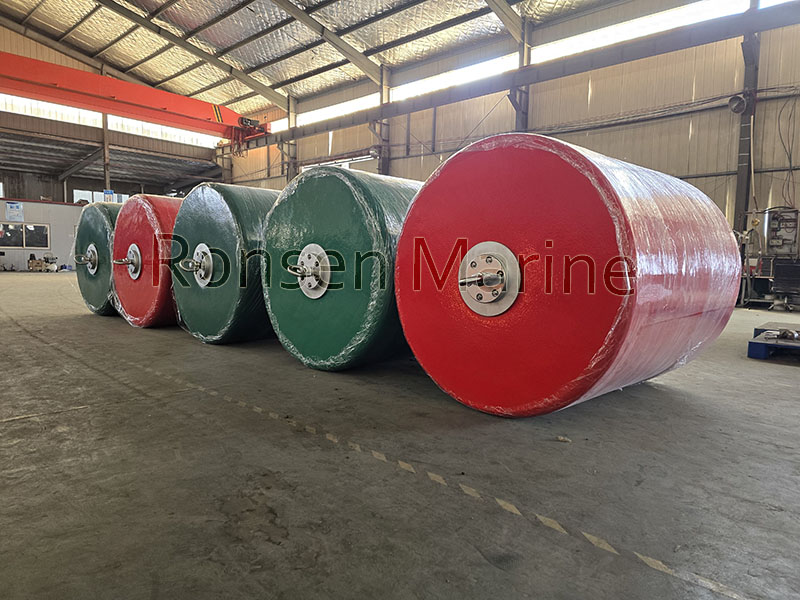
Support Chain Through Cylindrical Mooring Buoys
A support chain through cylindrical mooring buoy is a device that floats on the surface of the water, typically used to mark marine areas or indicate certain maritime activities. The following is a detailed introduction about surface support buoys:
1、 Definition and purpose
A support cylindrical chain through buoy is a platform that floats on the sea surface and is equipped with various sensors and instruments for monitoring and studying the marine environment. They are important tools for marine scientific research and marine resource management, widely used in various fields such as marine scientific research, marine resource development, and marine environmental protection.
2、 Type and Function
According to their different purposes and shapes, surface support buoys can be divided into various types, including navigation buoys, fishery buoys, marine science buoys, meteorological buoys, etc.
Navigation buoy: used to mark navigation channels and dangerous areas, helping ships avoid obstacles and dangerous areas. Common navigation buoys include lighthouses, lightboats, floating lighthouses, and floating beacons.
Fishery buoy: a device used to mark fishing activities, indicate the location of fishing nets and gear, help fishermen find their fishing equipment more easily, and protect other vessels from entering the fishing area.
Marine science buoy: used to monitor the marine environment and climate change, measure ocean parameters such as water temperature, salinity, and ocean currents, provide important information about the marine environment, and help scientists better understand the ocean and climate change.
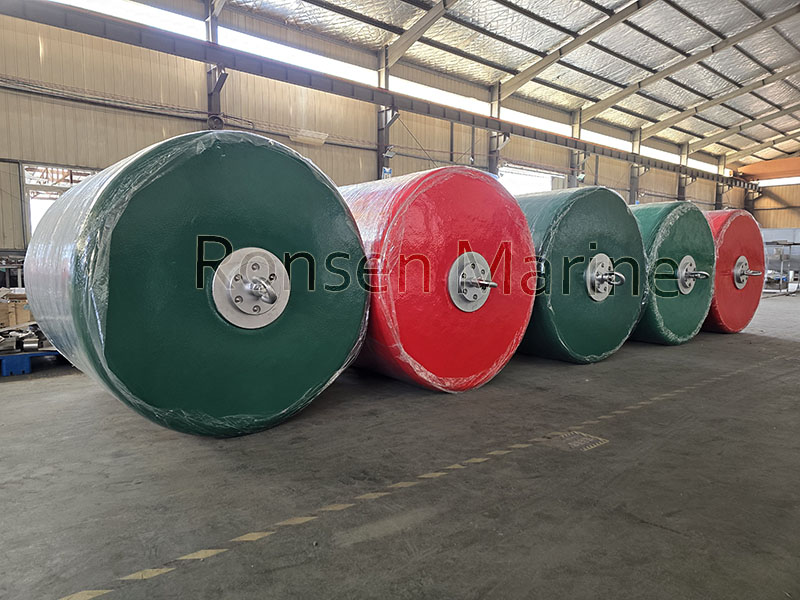
Support Surface Buoys
Meteorological buoy: used to monitor meteorological conditions, measure wind speed, direction, and wave height at sea, providing important data for meteorological prediction and monitoring.
Classified by main body shape: The main body shapes of offshore buoys include disc-shaped, cylindrical, spherical, ship shaped, etc. The disc-shaped buoy is suitable for various sea areas due to its unique shape and is widely used; support mooring buoys have a deep draft and are used for submerged ocean profiling observations; Spherical buoys have good wave following properties and are used for observing surface wave parameters; The boat shaped buoy has a shallow draft and is suitable for observing the wind field profile of inland rivers or nearshore waters.
Classified by anchor system: divided into anchor system and drifting buoy. Anchored buoys can limit displacement range, improve survival performance, and serve as fixed and recovery monitoring tasks; Drifting buoys are used for mobile or abandoned monitoring tasks with variable monitoring range or low recovery value.
Classified by observation function: there are universal and specialized types. Universal buoy electronic equipment has high integration, comprehensive observation parameters, and can observe multi surface data such as wave height and wave period; Specialized buoys have strong targeting for sea conditions, single observation parameters, and can detect data in extreme environments.
Classified by diameter size: usually divided into large, medium, and small buoys, with specific ranges of over 10m, 3-10m, and less than 3m. Generally, the larger the size of the buoy, the stronger its survivability.
In addition, there are some special types of buoys, such as nuclear radiation buoys, specifically used to monitor the radioactive levels in the waters near nuclear facilities.
3、 Working principle
Surface support mooring cylindrical chain through buoys collect real-time marine environmental data by carrying various sensors and instruments, and transmit the data back to ground measurement and control terminals or data centers through wireless communication. These data can be used in various fields such as marine science research, meteorological forecasting, and resource management.
4、 Application examples
Marine science research: Scientists can use data collected by marine science buoys to study changes in marine ecosystems, ocean circulation, marine pollution, and other issues.
Meteorological prediction: The data provided by meteorological buoys can help meteorological departments more accurately predict weather phenomena such as weather and storms, improving the accuracy and reliability of meteorological forecasts.
Resource management: Ocean buoys can also be used to monitor the distribution and quantity of marine resources, providing a basis for the rational development and utilization of marine resources.
In summary, support buoys play an important role in various fields such as marine scientific research, meteorological forecasting, and resource management. With the continuous advancement of technology and the expansion of application fields, sea surface buoys will play a more important role in the future.
