

What Is a Mooring Anchor? Types, How It Works, Uses and Buying Guide
Quick answer: what is a mooring anchor?
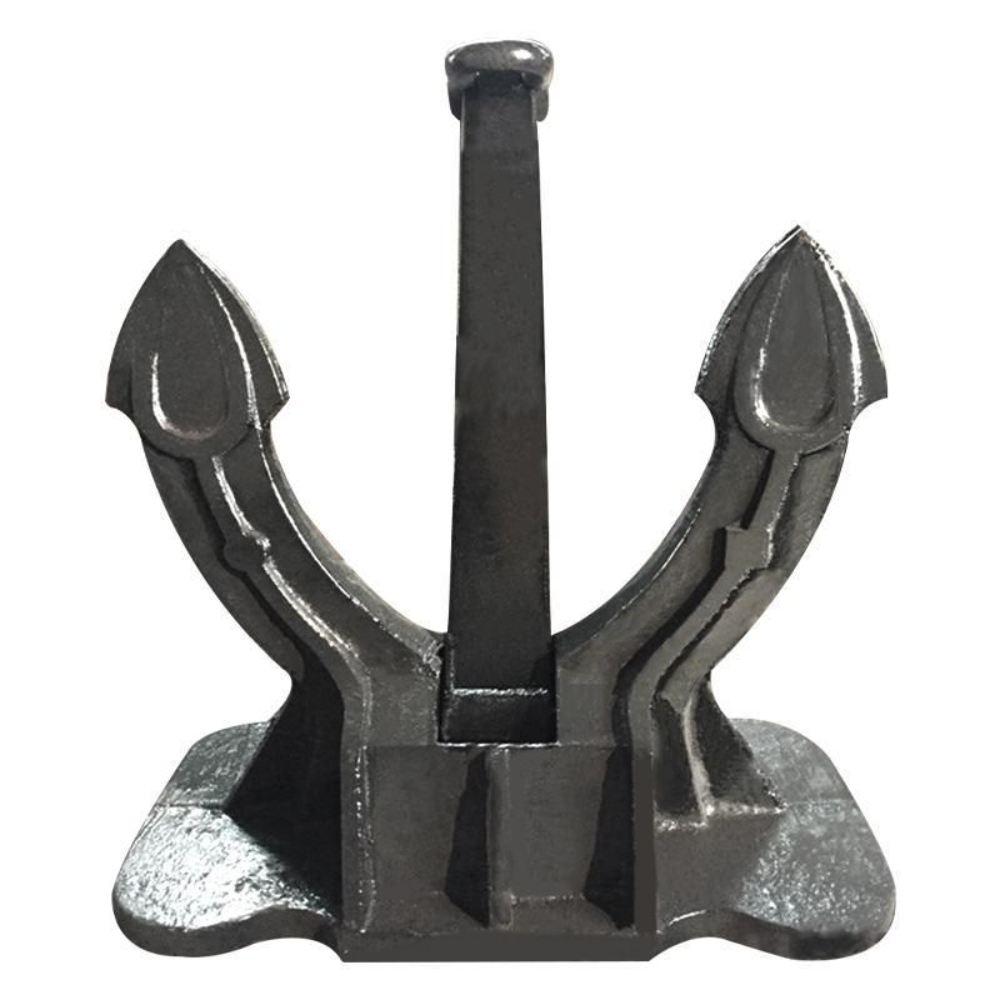
Mooring Anchor
A mooring anchor is an anchor or weighted device designed to rest on, or become buried in, the bed of a body of water and remain in place permanently or seasonally. It is normally connected by chain, cable or rope to a mooring buoy, which a vessel can pick up instead of dropping its own temporary anchor each time it visits. Regulatory definitions describe a mooring anchor as an anchor or weight attached to a buoy and left in position on a permanent or seasonal basis.
Mooring anchor vs temporary boat anchor
Both systems secure a vessel, but their purpose and equipment differ. A temporary anchor is normally carried on board and set or retrieved for each anchoring period. A mooring anchor stays on the seabed and forms part of a fixed mooring system. A mooring includes the anchor or fixed object, plus the chain, cable, rope, pennant and buoy used to secure a vessel.
| Feature | Temporary anchor | Mooring anchor |
| Location | Carried on board the vessel | Fixed to the seabed |
| Use | Short-term anchoring | Permanent or seasonal mooring |
| Connection | Anchor rode to the boat | Anchor, ground tackle, buoy and pennant |
| Typical retrieval | Recovered after each use | Usually inspected rather than recovered routinely |
| Common designs | Fluke, plow, claw, grapnel | Deadweight, mushroom, pyramid, helix |
How does a mooring anchor work?
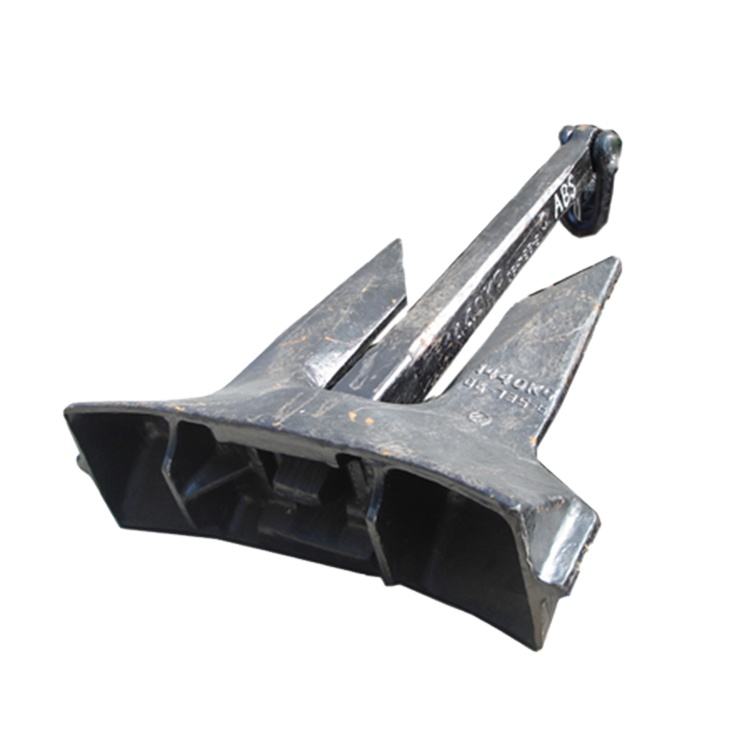
Marine Anchors
A mooring anchor resists the horizontal pull created by wind, waves, current and the vessel’s own movement. Different anchors create resistance in different ways:
- Deadweight anchors rely mainly on mass.
- Mushroom and pyramid anchors penetrate the seabed and develop additional resistance or suction.
- Helix or screw anchors transfer load to the surrounding soil through helical plates.
The complete system is also important. Chain provides weight, abrasion resistance and catenary; the buoy marks the location; and the pennant connects the vessel to the buoy. Together, they reduce shock loads and keep the anchor loaded as horizontally as practical.
Main types of mooring anchors
The right type depends on vessel size, maximum expected environmental loads, water depth, seabed conditions and local regulatory or permit requirements.
| Mooring anchor type | How it holds | Best conditions |
| Deadweight | Mass alone | Hard or mixed bottoms where penetration is difficult |
| Mushroom | Burial and suction as it settles | Soft mud and silt in sheltered locations |
| Pyramid | Penetration and embedded geometry | Soft bottoms where high holding capacity is needed |
| Helix or screw | Helical plates bearing in the soil | Softer substrates; requires specialist installation |
| Fluke, plow or claw | Usually temporary bow anchors, not primary mooring anchors | Used when a vessel sets its own anchor temporarily |
How is mooring anchor holding capacity determined?
Holding capacity is not simply the anchor’s dry weight. It depends on anchor design, actual submerged weight, seabed type, embedment depth, installation method, rope or chain scope, vessel windage and expected storm loads. A deadweight mooring, for example, can lose a substantial proportion of its dry weight through buoyancy once submerged, so its in-water effective weight—not its on-land weight—must be calculated.
Anchor holding capacity is normally expressed as:
Holding capacity = anchor or system resistance under a specified load and seabed condition
Because published examples can vary by manufacturer, soil condition and installation, they should only be used for early comparison. The final design should be based on a qualified mooring design and the local authority’s requirements.
How to choose the right mooring anchor
Follow this sequence rather than selecting an anchor by boat length alone:
- Define the vessel: length, displacement, windage and maximum expected load.
- Assess the site: water depth, tidal range, seabed type and exposure to wind, waves and current.
- Identify regulatory limits: permitted mooring locations, anchor types, marking and inspection requirements.
- Select an anchor mechanism: deadweight for hard ground, embedment or helical designs for suitable softer soils.
- Size the complete system: anchor, chain or rope, shackles, swivel, buoy, pennant and corrosion protection.
- Have the system installed and inspected by qualified personnel.
Installation and inspection best practices
Mooring installations may be subject to local, state or federal requirements. U.S. federal law directs the Coast Guard to establish anchorage grounds using navigational safety, marine environmental protection, underwater pipelines and cables, and national security among the relevant factors. This means a mooring should never be installed solely on the basis of an online chart or anchor brochure.
Good practice includes:
- Surveying depth, tides, currents and bottom conditions before installation.
- Using certified or manufacturer-rated components and compatible galvanic materials.
- Protecting galvanized or steel components with properly maintained sacrificial anodes where the design requires them.
- Installing helix anchors to the specified torque or depth using suitable equipment.
- Marking the mooring location and maintaining clear identification.
- Inspecting chain, shackles, swivels and the buoy on a scheduled basis.
Permanent mooring components operate in a corrosive environment. Wear, corrosion, anode depletion and accidental impacts can reduce capacity even when the anchor itself remains buried. Some mooring permit regimes require equipment to be raised periodically, inspected for deterioration and replaced if necessary.
Common mooring anchor mistakes
- Using a temporary anchor as a permanent mooring.
- Selecting anchor weight from a generic “one pound per foot” chart.
- Ignoring submerged weight loss for concrete or stone deadweights.
- Mixing incompatible metals without proper electrical isolation.
- Installing in a navigation channel, environmentally sensitive area or without required permission.
- Failing to inspect the underwater chain and connections regularly.
Frequently asked questions about mooring anchors
- Can I use a regular boat anchor as a mooring anchor?
A temporary bow anchor and a permanent mooring anchor serve different purposes. Most permanent moorings use deadweight, mushroom, pyramid or helix designs because they remain on the seabed and are engineered for long-term loading.
- How deep should a mooring anchor be buried?
Required embedment depends on anchor type, soil and design load. Mushroom anchors, for example, develop more holding power as they settle and bury. Always follow the manufacturer’s installation guidance and a site-specific mooring design.
- How often should a mooring be inspected?
Inspection frequency depends on location, weather exposure, materials and applicable regulations. At minimum, inspect all visible components regularly and arrange a qualified underwater inspection of chain, shackles and the anchor at intervals appropriate to the site.
- What is the difference between a mooring anchor and a mooring buoy?
The mooring anchor is the seabed component that provides holding power. The buoy floats at the surface to mark the mooring and give the vessel something to pick up. The chain, cable or rope between them transfers the load.
Key takeaways
- A mooring anchor is a seabed anchoring device for permanent or seasonal moorings, not simply a boat anchor left in the water.
- Common mooring anchor types include deadweight, mushroom, pyramid and helix designs, each suited to different seabeds and loads.
- Holding capacity comes from the complete system—anchor type, installation, seabed, ground tackle, buoyancy and scope—not anchor weight alone.
- Always confirm local regulations, permits, waterway rules and environmental restrictions before installation.
- Inspect, maintain and replace worn components to keep the mooring safe in storms.
