

What Is Wire Rope? Definition, Construction, Types, Uses and Buying Guide
Quick answer: what is wire rope?
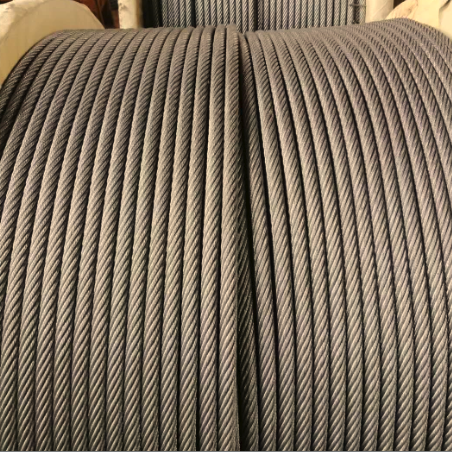
Wire Ropes
A wire rope is an engineered assembly of small steel wires twisted into strands, with those strands helically laid around a central core. The structure gives the rope both tensile strength and the flexibility needed to bend repeatedly around sheaves and drums. A rope is generally identified by its diameter, the number of strands, the number of wires in each strand and the core type. The terms “wire rope” and “cable” are often used interchangeably, although “wire rope” usually describes larger, heavy-duty products used for lifting, hoisting, towing and rigging.
How is wire rope constructed?
- Wire rope construction can be understood in three main parts:
- Wires: individual steel wires provide tensile strength and abrasion resistance.
- Strands: wires are twisted into strands, distributing load across multiple contact points.
- Core: the central element supports the strands and helps the rope retain its shape under load.
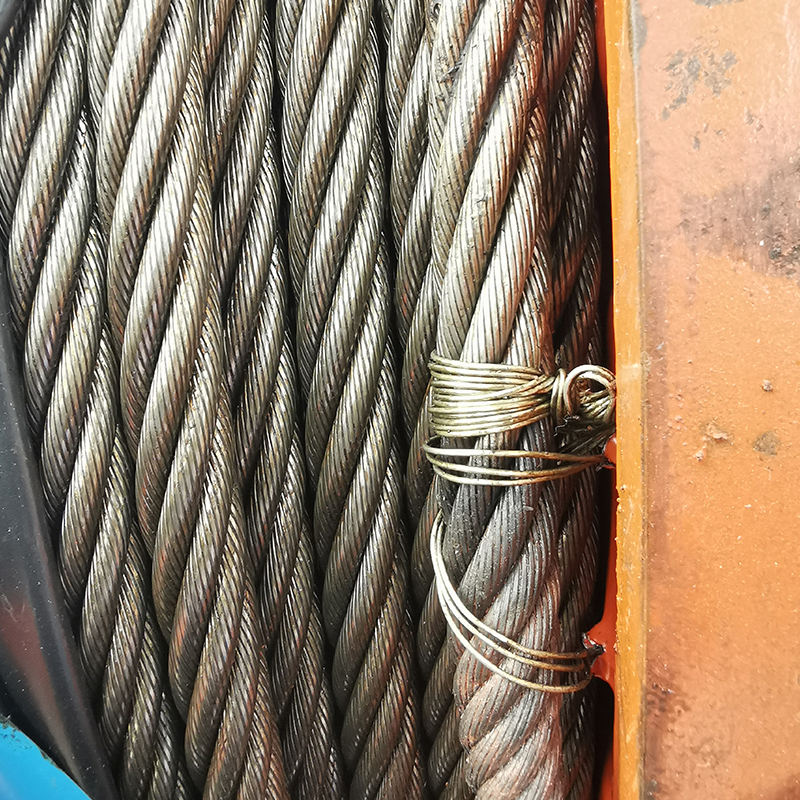
Steel Wire Ropes
A typical designation such as 6×19 means six strands with 19 wires in each strand. According to technical guidance on steel wire ropes, constructions including 6×19, 6×25, 6×36, 6×41 and 6×49 are common, with more wires generally increasing flexibility for winching and repetitive bending applications.
Wire rope core types compared
The core is one of the most important choices because it affects strength, flexibility, heat resistance and resistance to crushing. Official technical guidance identifies fibre core (FC) and independent wire rope core (IWRC) as common core types; a wire strand core (WSC) is also used.
| Core type | Primary advantage | Typical use |
| Fibre core (FC) | Extra flexibility and shock absorption | Single-layer winching and applications needing easier bending |
| Wire strand core (WSC) | Moderate strength and flexibility | Many general-purpose ropes |
| Independent wire rope core (IWRC) | Higher strength and support, better resistance to crushing | Multi-layer drum winding and heavy-duty lifting |
What is wire rope used for?
Wire rope is used whenever a strong, flexible line must repeatedly bend while carrying a load. Common applications include:
- Overhead cranes, mobile cranes, hoists and elevators.
- Winches, towing and dragging equipment.
- Mining hoists, draglines and material-handling machinery.
- Marine mooring, rigging and offshore operations.
- Suspension bridges, structural supports and architectural cables.
- Slings for lifting and moving heavy loads.
Wire rope vs steel cable: is there a difference?
In industrial supply and rigging, the terms are closely related. “Wire rope” generally refers to the product built from wires, strands and a core, while “cable” may describe smaller or more specialized constructions. For engineering, procurement and inspection purposes, specifications should use measurable details—nominal diameter, construction, grade, core type, lay direction, finish, end fittings and certification—rather than rely on the general word “cable.”
How to choose the right wire rope
There is no universally “best” wire rope. The correct choice depends on the way the rope will be loaded, how often it bends, the operating environment and the equipment it will run on.
| Operating need | Selection priority | Starting point |
| Maximum flexibility and frequent bending | More wires per strand | 6×36-class constructions |
| Heavy loads and multi-layer spooling | Strength and crush resistance | IWRC or steel-core constructions |
| Light-duty handling and easier bending | Flexibility and shock absorption | Fibre-core constructions |
| Corrosive or wet environments | Material and protection system | Galvanized or stainless steel with suitable lubrication |
| High heat exposure | Core and material limitations | Consult the manufacturer; fibre cores can be less suitable |
Always confirm the actual working load limit and required design factor for the specific application. Rated capacity depends on the complete assembly, including diameter, construction, grade, core, end fittings and how the rope is used.
Wire rope maintenance and inspection
Wire rope life depends on correct installation, lubrication and regular inspection. OSHA guidance explains that wire ropes are subject to tensile stress and degradation through wear and corrosion, and that failures can cause loads to fall or equipment to move unexpectedly.
- A competent person should perform visual inspections before each shift the equipment is used. At minimum, check for:
- Broken outer wires and signs of birdcaging or unstranding.
- Corrosion, wear, crushing and distortion.
- Damaged or poorly fitted end connections.
- Diameter loss and lubrication condition.
Under OSHA’s construction crane rule, a rope should be removed when it shows a significant structural deficiency or reaches the regulation’s broken-wire criteria: for example, six randomly distributed broken wires or three broken wires in one strand within one rope lay for running ropes. Internal degradation may not be visible in a basic inspection, so manufacturers’ removal criteria and—where appropriate—specialist non-destructive testing should also be used.
When should wire rope be replaced?
Remove wire rope from service whenever a competent person finds a condition that creates a safety hazard. Immediate removal triggers include kinking, crushing, birdcaging, core failure or steel core protrusion, significant corrosion, heat or arc damage, and improper end connections. Visible broken-wire counts and diameter reduction must be compared with the applicable OSHA standard and the manufacturer’s written discard criteria. A higher rope grade or stronger core does not remove the need for lubrication, proper sheave sizing or scheduled replacement.
Frequently asked questions about wire rope
-
What is the difference between 6×19 and 6×36 wire rope?
Both have six strands, but 6×36 constructions generally have more wires and greater flexibility, which can be useful for winching. A 6×19 classification typically offers good abrasion resistance and is commonly used for slings and general lifting.
-
Is wire rope stronger than chain?
Strength depends on the specific size, grade, construction and application. Wire rope is often preferred when flexibility, weight and repeated bending over sheaves matter. Chains may be chosen for different wear, abrasion or attachment characteristics. Compare certified ratings rather than the product family alone.
-
Can wire rope be spliced after it is cut?
Splicing requirements depend on the product, applicable standard and manufacturer’s instructions. OSHA’s construction crane inspection provisions specifically prohibit joining rope lengths by splicing in the situation covered by that rule, so follow the relevant standard and the rope manufacturer’s written criteria.
-
How is wire rope diameter measured?
Measure nominal diameter across the rope with calibrated calipers, rotating to the maximum diameter rather than pinching the rope at a single point. The measured value must then be compared with the rope’s nominal diameter and applicable discard limits.
Key takeaways
- Wire rope is an engineered assembly of wires, strands and a core—not simply “strong cable.”
- Construction and core type determine how the rope balances strength, flexibility, abrasion resistance and heat performance.
- Match the rope to the load, bending cycles, environment, drum or sheave system and applicable safety standard.
- Inspect regularly, lubricate according to the manufacturer, and remove damaged rope immediately when a competent person identifies a hazard.
