

What Is a Spherical Buoy? A Complete Guide to Design, Uses, and Selection
What Is a Spherical Buoy?
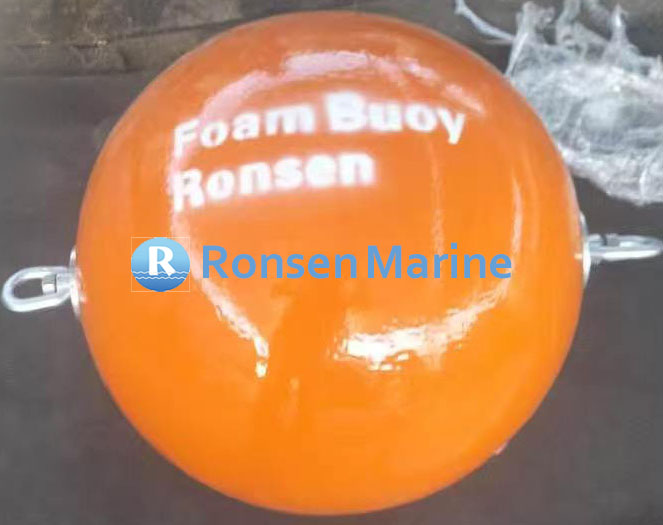
Spherical Buoys
A spherical buoy is a floating marker, typically shaped like a ball or globe, designed to stay partially above the water surface while tethered to the seabed or a fixed anchor point. Thanks to its round shape, a spherical buoy offers uniform hydrodynamic behavior, low wind resistance, and excellent 360-degree visibility, making it a popular choice for marine navigation, mooring, aquaculture, and offshore operations.
Whether you are searching for a spherical buoy for a private dock, a commercial marina, a fish farm, or a scientific deployment, this guide covers everything you need to know: definition, how it works, materials, types, uses, advantages, selection criteria, and maintenance tips.
How Does a Spherical Buoy Work?
A spherical buoy operates on the basic principle of buoyancy. Its hollow body displaces a volume of water that weighs more than the buoy itself, generating an upward buoyant force that keeps it afloat. A mooring line or chain connects the buoy to an anchor on the seabed, holding it in position while allowing it to rise and fall with tides and waves.

Spherical Foam Buoys
The key forces at play are:
- Buoyant force: pushes the buoy upward, determined by the volume of water displaced.
- Weight: the buoy’s own mass, plus any attached chain, light, or equipment.
- Mooring tension: the downward pull from the anchor line that keeps the buoy on station.
- Environmental loads: wind, current, and waves acting on the buoy’s surface.
Types of Spherical Buoys
Spherical buoys come in several variations depending on their purpose:
- Navigation buoys: mark channels, hazards, and safe water; often fitted with lights or reflectors.
- Mooring buoys: provide a secure attachment point for vessels without dropping an anchor.
- Marker buoys: indicate the location of underwater equipment, traps, or boundaries.
- Aquaculture buoys: support fish cage nets and longline systems in fish farming.
- Research buoys: carry sensors and instruments for oceanographic data collection.
Common Materials Used in Spherical Buoys
| Material | Key Benefits | Typical Use |
| Rotomolded polyethylene | Impact-resistant, UV-stable, low cost | Marinas, mooring, general marine |
| Steel (welded) | High strength, durable in heavy seas | Commercial ports, offshore |
| Aluminum | Lightweight, corrosion-resistant | Specialized / lightweight markers |
| Foam-filled plastic | Puncture-proof, excellent flotation | Aquaculture, safety markers |
Advantages of the Spherical Shape
The spherical shape is not just an aesthetic choice. It offers practical advantages that explain why spherical buoys are so widely used:
- Uniform stability: a sphere sits evenly in the water regardless of orientation.
- Low drag: the round profile reduces resistance from currents and waves.
- 360-degree visibility: visible from every direction, improving navigational safety.
- Self-cleaning: the smooth curved surface sheds marine growth more effectively than corners.
- Even stress distribution: loads are spread uniformly across the shell, reducing weak points.
Applications of Spherical Buoys
From commercial shipping lanes to backyard docks, spherical buoys serve a wide range of purposes. Common applications include marking swimming areas, anchoring boats at mooring fields, delineating channels, supporting offshore aquaculture, and hosting scientific instruments for monitoring water quality and weather.
How to Choose the Right Spherical Buoy
Selecting the correct spherical buoy depends on matching the product to your environment and load requirements. Consider the following factors:
- Buoyancy (reserve flotation): must exceed the total submerged weight of the buoy, fittings, and mooring.
- Diameter and visibility: larger buoys are easier to see and provide more flotation.
- Material and shell thickness: choose based on impact risk, UV exposure, and lifespan.
- Mooring system: match chain/rope size and anchor weight to local conditions.
- Optional features: reflective tape, solar lights, radar reflectors, or sensor mounts.
Spherical Buoy Maintenance Tips
Proper maintenance extends the service life of a spherical buoy. Inspect the shell regularly for cracks or abrasions, check mooring lines for wear, rinse off salt and marine growth, and verify that lights or reflectors remain clean and functional. Replace any hardware showing corrosion before it fails.
Frequently Asked Questions
What is the difference between a spherical buoy and a navigation buoy?
A spherical buoy refers to the shape of the float, while a navigation buoy refers to its function. A navigation buoy can be spherical, cylindrical, or conical, depending on the application.
How much buoyancy does a spherical buoy provide?
Buoyancy depends on the buoy’s diameter and construction. Manufacturers usually specify net buoyancy (the weight the buoy can support after subtracting its own weight), so always check the product datasheet.
Can spherical buoys be used in saltwater?
Yes. Most marine-grade spherical buoys are designed for saltwater use, but corrosion-resistant hardware and regular rinsing will maximize their lifespan.

