

What Is Ship Launching Air Balloon? A complete Guide to Marine Launching Airbags
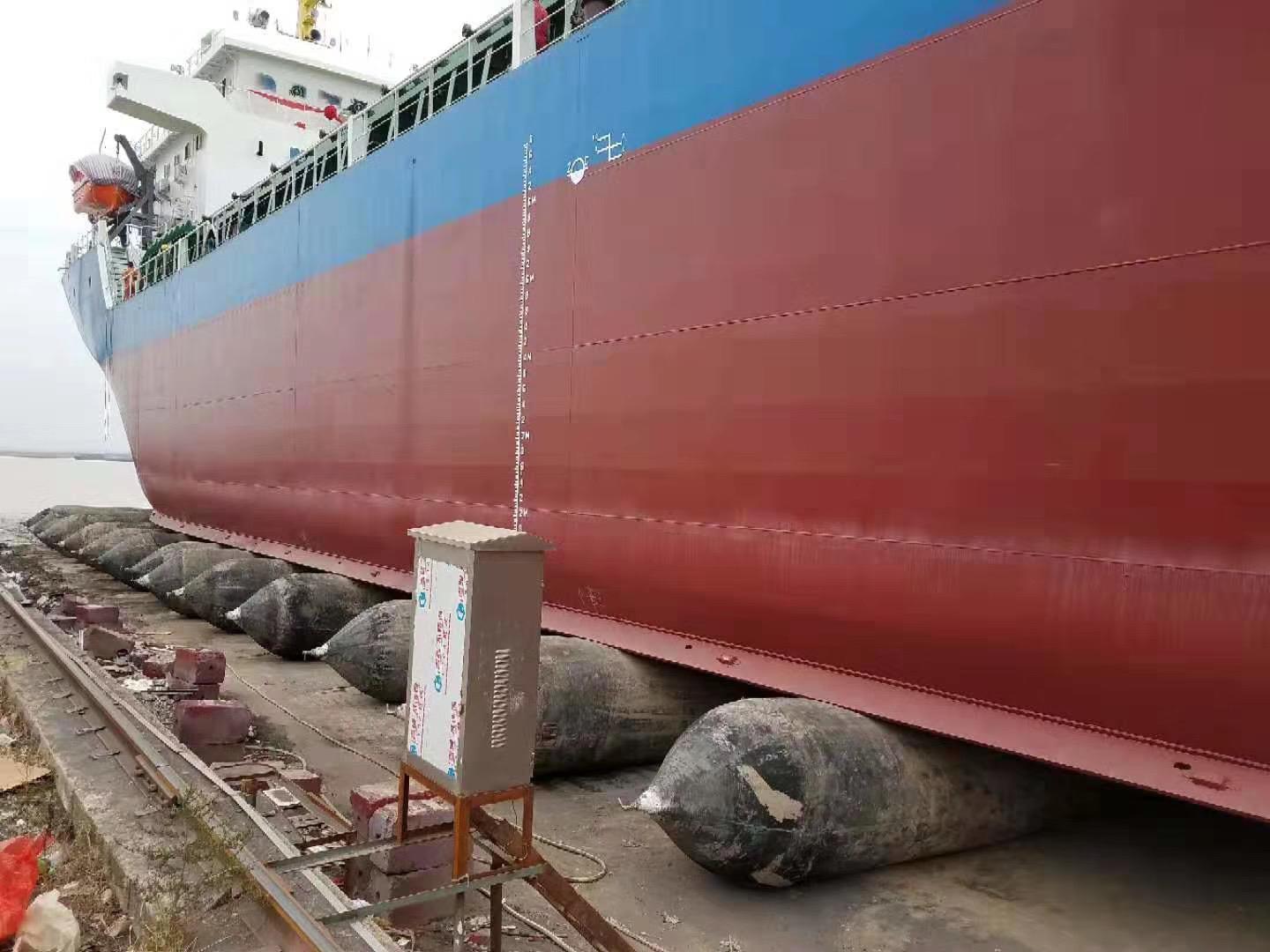
Ship Launching Air Balloons
A ship launching air balloon—more correctly called a ship launching airbag or marine rubber airbag—is a heavy-duty, cylindrical inflatable tube made from reinforced rubber and synthetic tire-cord fabric. Shipyards place deflated airbags under a vessel’s hull, inflate them with compressed air, and use them as flexible rollers to launch ships, haul vessels ashore, lift heavy marine structures, or refloat stranded and sunken ships.
In simple terms: a ship launching air balloon is a giant industrial rubber roller that lifts a ship off its blocks and helps it move safely into the water—without building expensive slipways or dry docks.
What Is a Ship Launching Air Balloon Called?
Depending on the region and supplier, you may see these names:
- Ship launching airbag
- Marine rubber airbag
- Vessel launch airbag
- Launching air balloon
- Inflatable marine roller bag
- Pneumatic launching airbag
- Salvage lift bag / buoyancy bag
Although “air balloon” sounds like a toy, a marine launching airbag is an industrial load-bearing device engineered for hundreds of tonnes.
How Does a Ship Launching Air Balloon Work?
The working principle is simple:
- Place deflated airbags under the hull in calculated rows.
- Inflate them with an air compressor to working pressure.
- Lift the vessel evenly off keel blocks.
- Roll / slide the ship down the prepared track into the water.
- Recover, deflate, and reuse the airbags for the next project.
Because rubber conforms to the hull, the load is distributed over a large contact area. This reduces local stress on plates and frames compared with hard cradles or steel ways.
Main Parts of a Marine Launching Airbag
A quality ship launching airbag usually has three key layers:
| Layer | Function |
| Inner rubber layer | Air tightness, prevents leakage |
| Synthetic tire-cord layer | Min strength, resists burst and elongation |
| Outer rubber layer | Abrasion, UV, seawater, and weather resistance |
Common specs:
- Diameter: 0.8 m – 2.5 m
- Effective length: 6 m – 24 m
- Working pressure: 0.05 – 0.20 MPa
- Plies: 4 – 12 layers
- Standard: ISO 14409 for ship launching airbags
Why Shipyards Use Ship Launching Air Balloons
1. Lower Cost
No permanent concrete slipway, no giant crane, no expensive dry dock. Airbag launching can cut launch-related cost by 30–50% versus traditional methods.
2. Faster Project Cycle
A yard can prepare an airbag launch in hours or days, not months of civil works.
3. Reusable and Portable
Deflated airbags fold down, ship in containers, and can be reused for years with proper inspection.
4. Adaptable Site Conditions
Airbags work on concrete, compacted soil, sand, mud, sloped beaches, and remote yards.
5. Hull-Friendly Load Distribution
Rubber rollers spread the vessel’s weight, lowering peak pressure on the bottom structure.
Common Applications
- New ship launching
- Vessel haul-out / landing for repair
- Dry-dock alternative for bottom inspection
- Marine salvage and refloating grounded ships
- Moving caissons, bridges, reactors, and heavy modules
- Temporary buoyancy for barges and floating structures
Ship Launching Airballoon vs Traditional Slipway
| Factor | Ship Launching Airbag | Concrete Slipway/Dry Dock |
| Capital cost | Low | High |
| Setup time | Short | Long |
| Reusable | Yes | Fixed infrastructure |
| Site flexibility | High | Low |
| Vessel stress | Lower, distributed | Higher at contact points |
| Best for | Small-large vessels, remote yards | High-volume fixed shipyards |
How to Choose the Right Ship Launching Airbag
- When buying marine airbags, check:
- Vessel displacement and weight per unit length
- Airbag diameter and effective length
- Number of cord plies
- Rated working pressure and safety factor
- Rubber quality and UV/seawater resistance
- ISO 14409 compliance
- Burst-test report and classification society approvals
- Supplier’s on-site launch procedure support
Rule of thumb: total airbag load capacity must exceed hull weight with a safety margin. Many shipyards add 20–30% spare capacity and keep 2–4 spare bags on site.
Safety Tips for Airbag Ship Launching
- Clear sharp objects, weld beads, rocks, and nails from the track.
- Never exceed the manufacturer’s working pressure.
- Use calibrated pressure gauges on every bag.
- Keep winches, anchors, wires, and emergency brakes ready.
- Launch within safe tide, current, and wind limits.
- Inspect seams, valves, and cord exposure before every use.
- Rinse with fresh water after seawater use and dry before folding.
FAQ: Ship Launching Air Balloon
Q: What is a ship launching air balloon used for?
A: It is used to launch ships, haul vessels ashore, lift heavy marine structures, and refloat stranded or sunken vessels.
Q: Is a ship launching airbag the same as a marine airbag?
A: Yes. “Ship launching air balloon” is a casual term; the correct industry term is marine rubber airbag or ship launching airbag.
Q: How much weight can a ship launching airbag carry?
A: One airbag can support tens to over a thousand tonnes depending on diameter, length, pressure, and ply rating. Multiple airbags are used for large ships.
Q: Are ship launching airbags safe?
A: Yes—when selected by calculation, inflated to rated pressure, and operated by trained crews. Poor site preparation and over-inflation are the main risks.
Q: What standard should marine launching airbags meet?
A: The most common reference is ISO 14409: Ship launching air bags. Many buyers also ask for CCS, BV, ABS, LR, or DNV documentation.
Final Thoughts
A ship launching air balloon is not a decoration—it is a proven marine engineering tool. For shipyards that want lower cost, faster launches, and flexible sites, marine rubber airbags have become one of the most practical alternatives to slipways and dry docks.
If you are comparing equipment for your next vessel launch, salvage job, or heavy transport project, choose airbags by load calculation, material quality, and standard compliance—not by price alone.
Need help selecting ship launching airbags? Share your vessel length, beam, displacement, and launch slope—our marine team can recommend diameter, ply rating, quantity, and working pressure.
